



Most Australian 4x4s need between 25mm and 50mm of lift. Around 25mm to 40mm suits daily drivers and towing vehicles that need to sit level with accessories, while about 50mm suits touring builds running slightly larger tyres. Lifts beyond 50mm usually need certification and correction parts, so choose height based on load, tyres and use.
How much lift do I need is one of the first questions we hear, and the honest answer is usually less than people expect. More height brings clearance, but it also changes handling, geometry and compliance. Below we help you work out the right amount for your vehicle and how you use it. If you want the freedom to fine tune, browse our height adjustable lift kits.
What Decides How Much Lift You Need?
Three things matter most: what the vehicle carries, the tyres you want to run and where you drive.
Accessory weight is the starting point, because a bull bar, winch, canopy and drawers all pull the vehicle down, and part of any lift simply restores the height they've taken away. Tyre size comes next, as larger tyres need arch clearance at full lock and full compression. Finally, terrain sets how much underbody clearance you really need.
Answer those three and the right height usually becomes obvious.
How Much Lift for Daily Driving and Towing?
For vehicles that spend most of their life on sealed roads with occasional dirt tracks, 25mm to 40mm is usually ideal. That's enough to level the stance once accessories go on and improve approach angles, while keeping the centre of gravity low for stable handling and towing.
A modest lift also keeps steering geometry close to factory, which helps the vehicle feel planted at highway speed. If you tow, a level vehicle with springs suited to your tow ball mass matters more than outright height, as explained in does a lift kit affect towing.
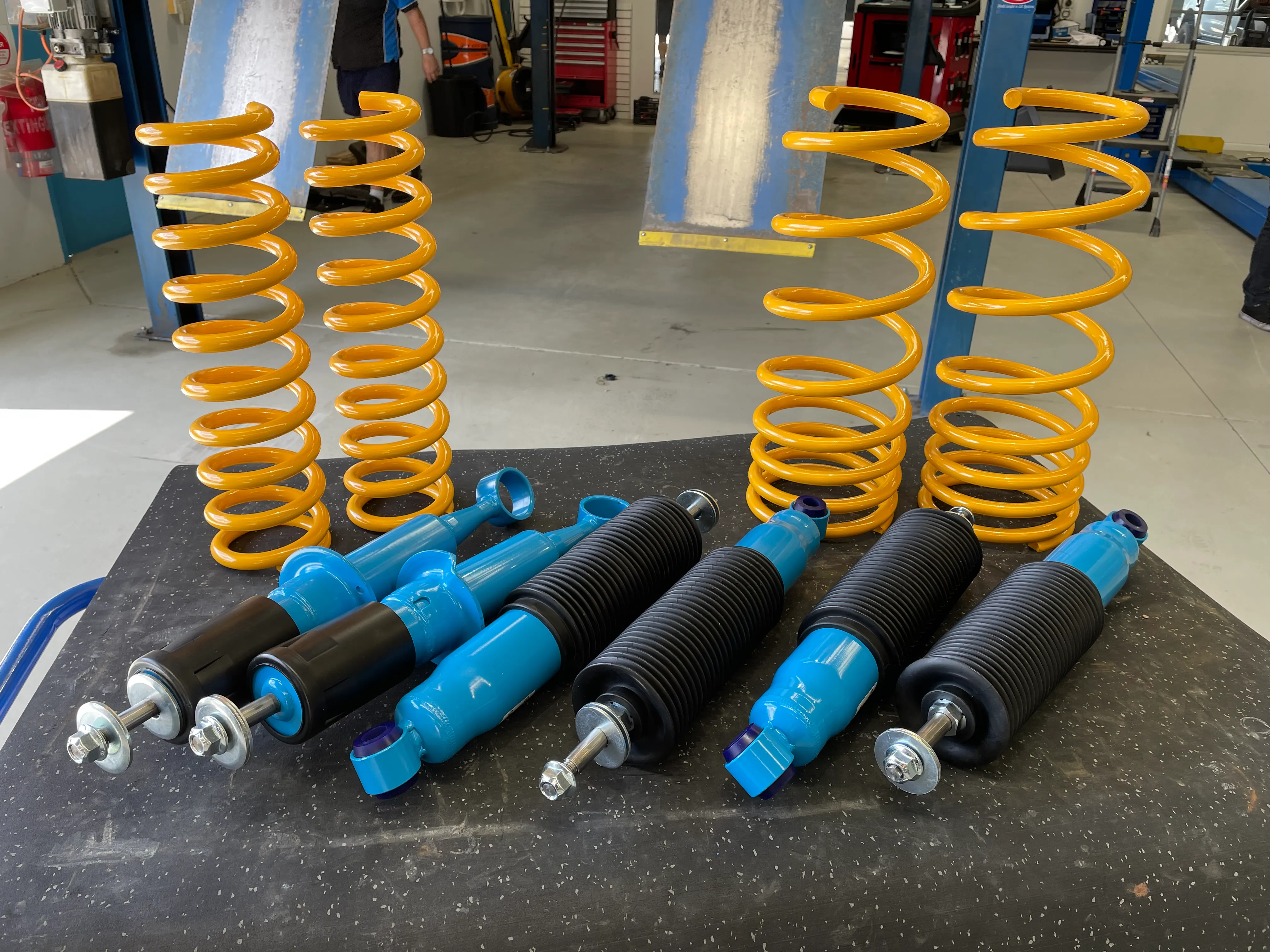
Many of our height adjustable kits cover ranges such as 25 to 40mm and 30 to 40mm, suited to exactly this kind of use.
How Much Lift for Touring and Larger Tyres?
For touring builds heading down outback tracks, beach runs and rough fire trails, around 50mm (2 inches) is the most popular choice. It improves clearance under the sills and chassis, gives room for slightly larger tyres and sits within the basic legal allowance in most states.
If you're planning bigger tyres, check the size against your placard. Our guide on fitting 33 inch tyres with a 2 inch lift explains how to work out whether they'll fit and stay legal.
For most touring 4x4s, a quality 50mm lift with matched springs and shocks delivers the best balance of capability and comfort.
When Is More Than 50mm Worth It?
Lifts beyond 50mm open up more clearance and room for larger tyres, but they bring extra cost and complexity. Steering geometry, CV angles and caster move further from factory, so correction parts such as upper control arms or a diff drop are often needed. In most states, a suspension lift above 50mm also needs certification.
For dedicated off road builds, that can be worth it. For a vehicle that tours, tows and commutes, it often adds compromise without much real benefit. We cover the limits in is a 3 inch lift legal in QLD.
Why Adjustable Height Helps
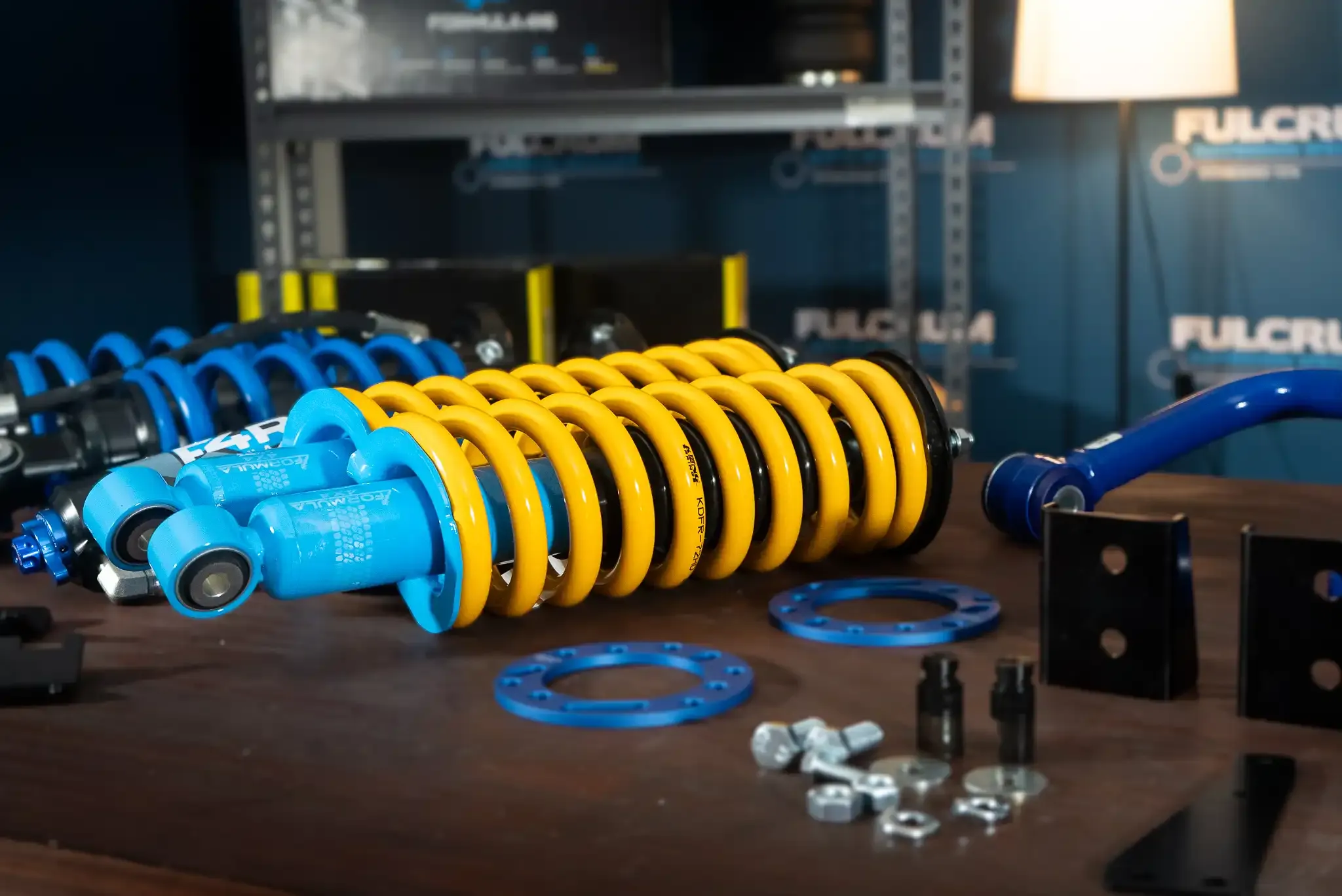
Choosing a height is easier when you're not locked into one number. Height adjustable struts let your fitting dealer set the front within the kit's range to suit your vehicle today, then reset it as accessories go on or tyres change. Our ReadyStruts make that possible without replacing parts, and every kit is backed by our 5 year / unlimited km warranty.
Learn more in how height adjustable suspension works on a 4x4.
Lift Height Guide by Use
|
Use |
Suggested lift |
Notes |
|
Daily driving with light accessories |
25 to 40mm |
Levels the stance, keeps handling sharp |
|
Towing a caravan or camper |
25 to 40mm |
Prioritise springs suited to tow ball mass |
|
Touring with larger tyres |
Around 50mm |
Most popular, within basic legal limits in most states |
|
Dedicated off road builds |
Above 50mm |
Usually needs certification and correction parts |
FAQs
Looking for more information about how much lift your 4x4 needs? Below we answer the most commonly asked questions
How much lift do I need for 33 inch tyres?
Is a 2 inch lift enough for off road driving?
Does more lift mean better off road performance?
Can I change my lift height later?
Will a lift make my 4x4 harder to drive?
Does lift height affect fuel economy?
Find the right height for your 4x4, and room to adjust it, in our height adjustable lift kits range.