


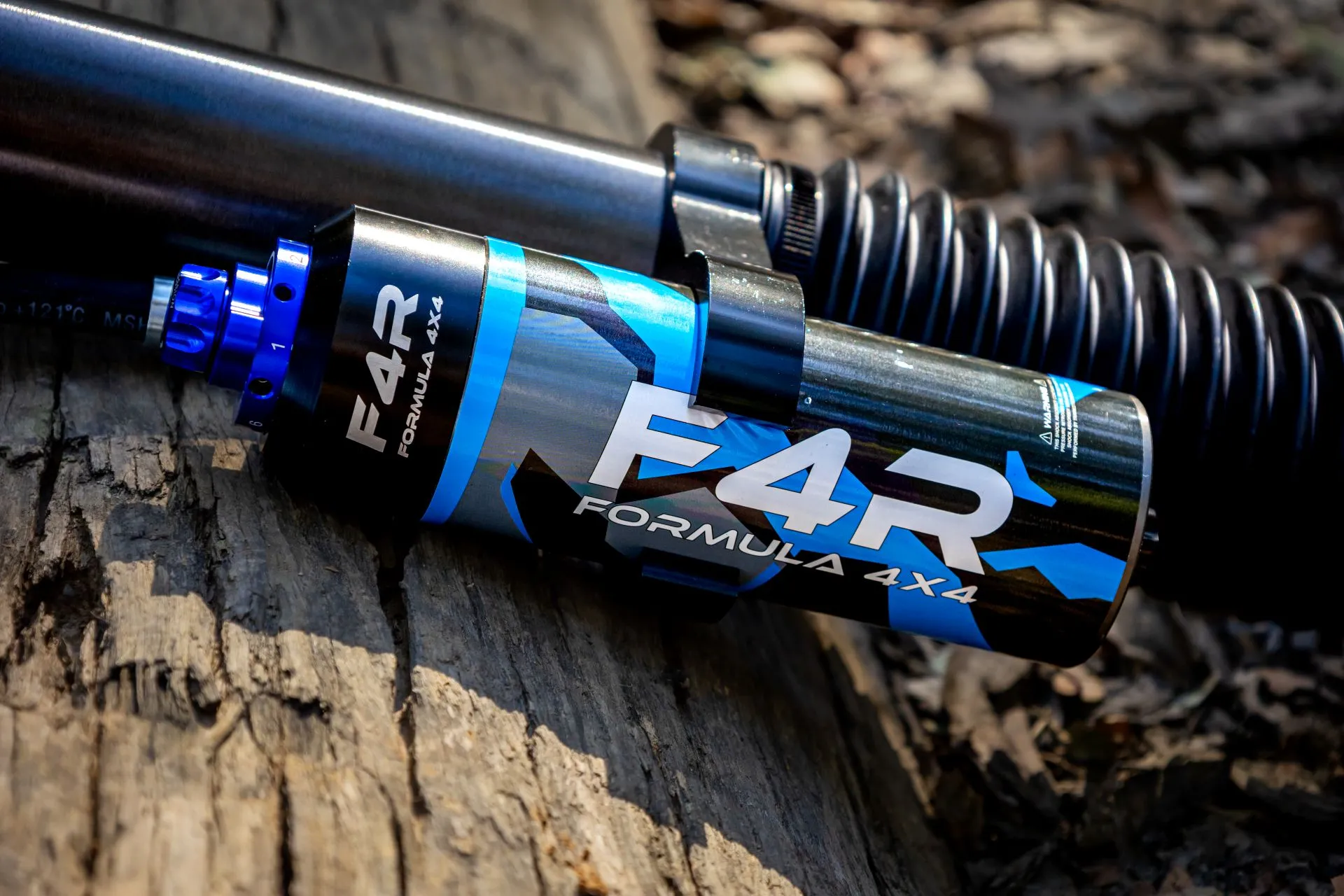

Shock fade is the loss of damping that happens when a shock absorber overheats. As the oil gets hot it thins and can foam, so the shock controls the springs less and the 4x4 starts to bounce, wallow and lose traction. Remote reservoir shocks prevent fade with extra oil volume, better cooling and separated gas and oil.
If your 4x4 feels tight and controlled at the start of a gravel road but floaty and skittish an hour later, you've felt shock fade. It's one of the most common suspension problems on Australian outback tracks, and one of the least understood. Below we explain what causes it, how to recognise it and how to stop it happening. To see shocks designed to resist fade, explore our adjustable remote reservoir lift kits.
What Causes Shock Fade?
A shock absorber works by forcing oil through small passages in a piston as the suspension moves. That resistance slows the spring down, and the energy it absorbs turns into heat.
On a sealed road the shock moves gently and the heat escapes easily. On corrugations, the shock can cycle thousands of times in a few minutes, generating heat faster than it can shed it. As the oil temperature climbs, it thins, so it flows through the piston more easily and provides less resistance.
In some designs, hot oil can also mix with the gas inside the shock and foam. Foamed oil, called aeration, compresses easily and makes damping inconsistent.
The harder and longer the suspension works, the more likely fade becomes.
What Are the Signs of Shock Fade?
Shock fade builds gradually, so it's easy to miss until it's significant. Watch for:
• A floaty, bouncy ride: The vehicle keeps moving after bumps instead of settling.
• Skipping on corrugations: The rear steps sideways as the tyres lose contact.
• More vehicle sway: Body movement increases through corners and on uneven ground.
• Less steering precision: The front feels vague as the tyres skip.
• Very hot shock bodies: After a long gravel run, the shocks are too hot to touch.
If the vehicle improves after a stop to let the shocks cool, fade was almost certainly the cause.
Why Does Shock Fade Matter?
Fade is more than a comfort problem, because when damping drops away, tyres spend less time in contact with the ground, which reduces traction for steering and braking. On a loaded touring 4x4 or a vehicle towing a caravan, that can make the whole combination less stable at exactly the wrong moment.
Repeated overheating also breaks down shock oil and seals faster, shortening the life of the shock. Learn more about wear and replacement in when to replace or rebuild your 4WD shocks.
How Do You Prevent Shock Fade?
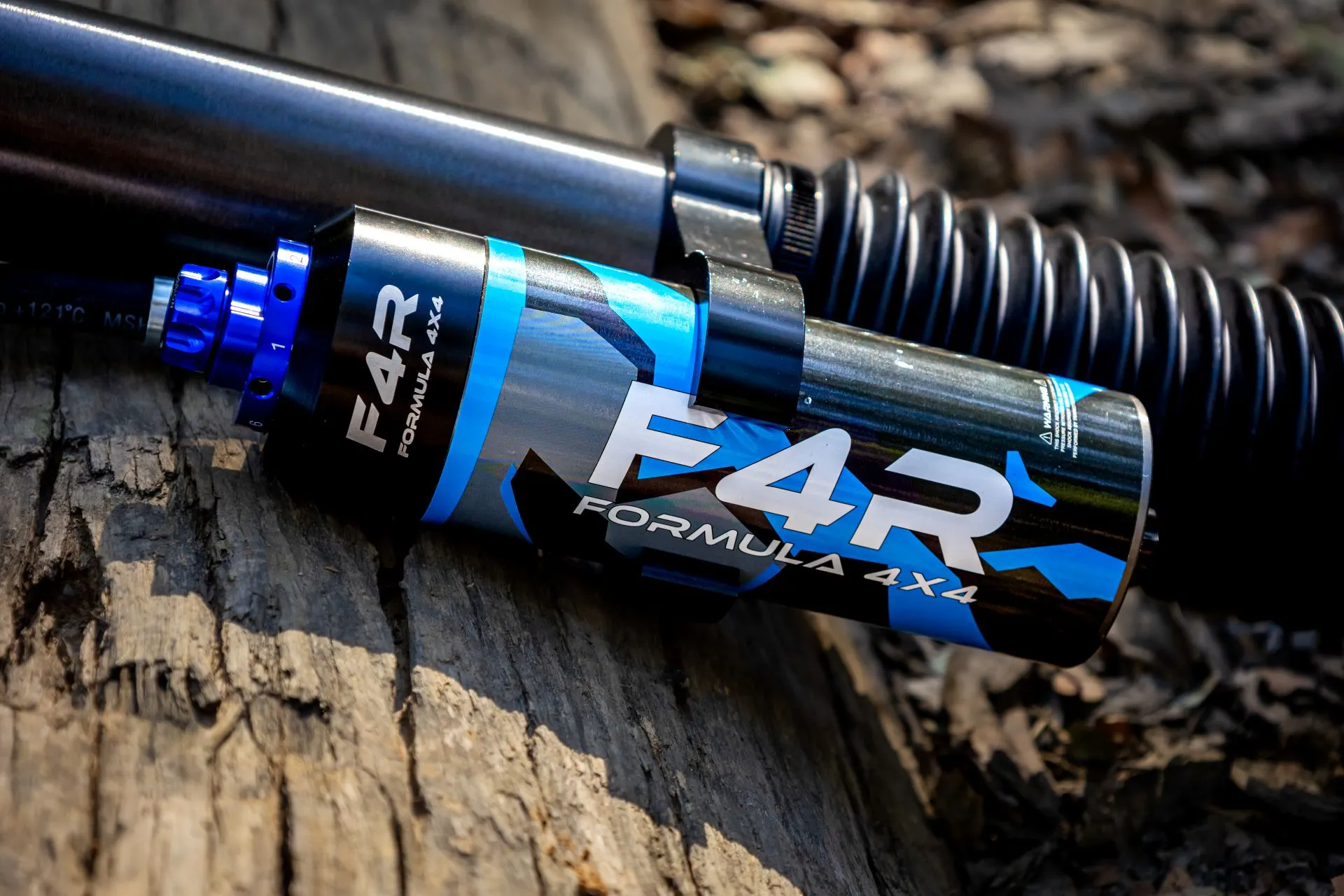
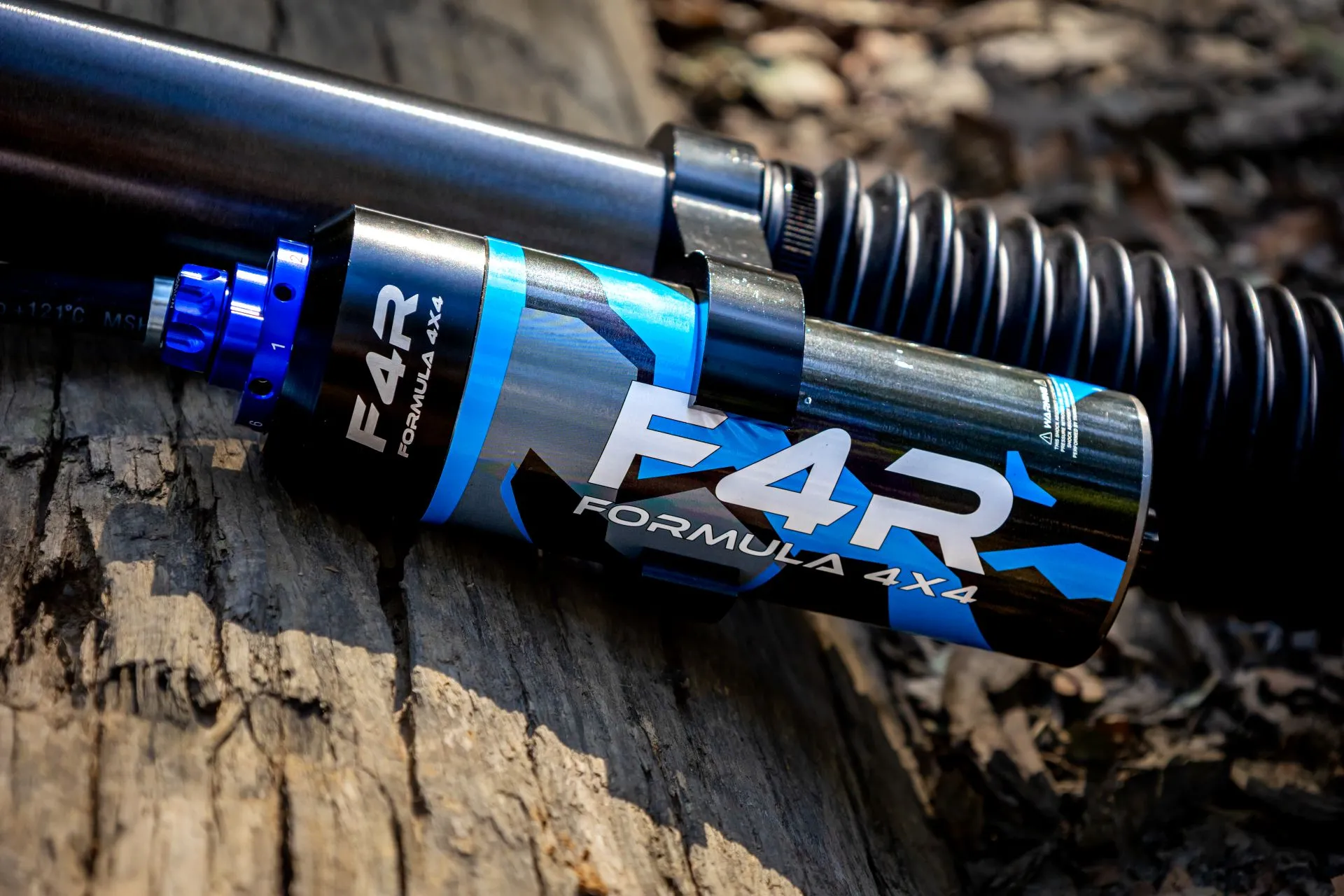
The most effective fix is a shock designed to manage heat. Remote reservoir shocks add a separate chamber connected by a hose, holding extra oil and a gas charge kept apart by a floating piston. The larger oil volume absorbs more heat before thinning, the reservoir sheds heat more effectively and the separated gas prevents aeration.
Our F4R remote reservoir shocks are built around that principle, with adjustable compression and rebound so you can fine tune damping for the conditions. They're backed by our 5 year / unlimited km warranty. We explain the design in what are remote reservoir shocks.
A few driving habits help too, so reduce speed on long corrugated sections, lower tyre pressures to suit the surface and take breaks on very long runs.
How Shock Design Affects Fade Resistance
|
Shock type |
Oil capacity |
Heat management |
Fade resistance |
|
Factory shocks |
Small |
Limited |
Low on long gravel runs |
|
Larger bore shocks |
Larger |
Improved |
Moderate to good |
|
Remote reservoir shocks |
Largest, with external reservoir |
Best, with separated gas and oil |
High |
FAQs
Looking for more information about shock fade? Below we answer the most commonly asked questions
What is shock fade?
How long does it take for shocks to fade?
Do remote reservoir shocks prevent shock fade?
Can adjusting my shocks reduce fade?
Does shock fade damage the shocks?
Do I need remote reservoir shocks for touring?
Keep your damping consistent from the first kilometre to the last with our adjustable remote reservoir lift kits.