





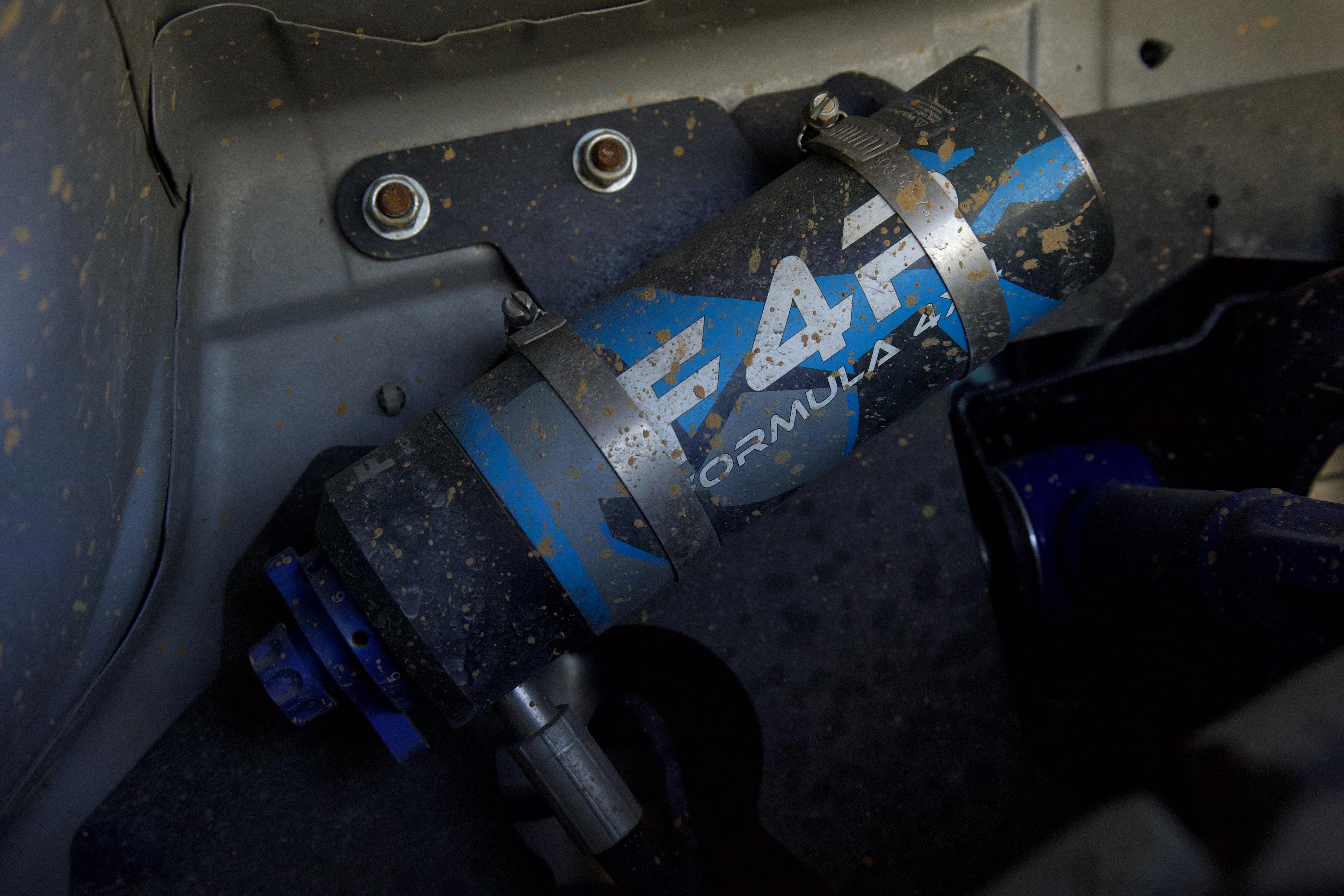

A 4x4 fresh off the showroom floor is set up for one thing: a smooth, comfortable drive down a sealed road. The trouble is that almost nobody who buys one uses it that way.
Real 4x4 ownership in Australia means towing vans, loading trays, fitting accessories, and pointing the vehicle at terrain it was never engineered to handle from the factory. Every one of those demands sits well outside what stock suspension was designed for, and the vehicle wears it in obvious ways: a sagging rear, bottoming-out shocks, and components that fade fast.
A lift kit closes that gap by re-engineering the suspension around the loads, accessories, and terrain your vehicle actually sees, so your 4x4 actually delivers what it was designed to. The five reasons below break down exactly what changes when you fit one.
1. The Ground Clearance to Go Further
Three numbers decide where a 4x4 can and can’t go: approach angle, departure angle, and breakover angle. They measure how steep an obstacle your vehicle can climb onto, drop off, and crest without dragging metal. Straight from the factory, those numbers are tuned for kerbs and driveways, not for what waits beyond the bitumen.
A lift kit raises your vehicle’s ride height to improve all three at once. You get more room between expensive driveline components and whatever’s under the wheels, and steeper entry and exit angles that let you tackle ditches, ruts, and rocky climbs without leaving a trail of bash plate scars behind you.
The practical upshot is that tracks which felt sketchy in a stock vehicle become routes you can drive with confidence. Pair the lift with larger tyres and you stretch the gains even further, opening up terrain that was effectively off-limits the day you bought the vehicle.
2. Carry Heavy Loads Properly
A loaded 4x4 should still sit level, with the rear holding firm, the nose staying down, and the vehicle driving almost the same loaded as it does empty. That’s how the engineers designed it to behave, but factory springs and shocks are only rated for the lightest of loads, so the moment you fit a canopy, fill a tray, or hitch a van, that balance is gone.
This isn’t just a cosmetic issue, because a nose-up stance lifts weight off the front wheels where steering and braking grip actually lives, points headlights into oncoming traffic, and drops towball clearance to the point where a steep driveway or speed hump can have your trailer hitting the ground. These are the conditions that turn a long-haul drive into a stressful one.
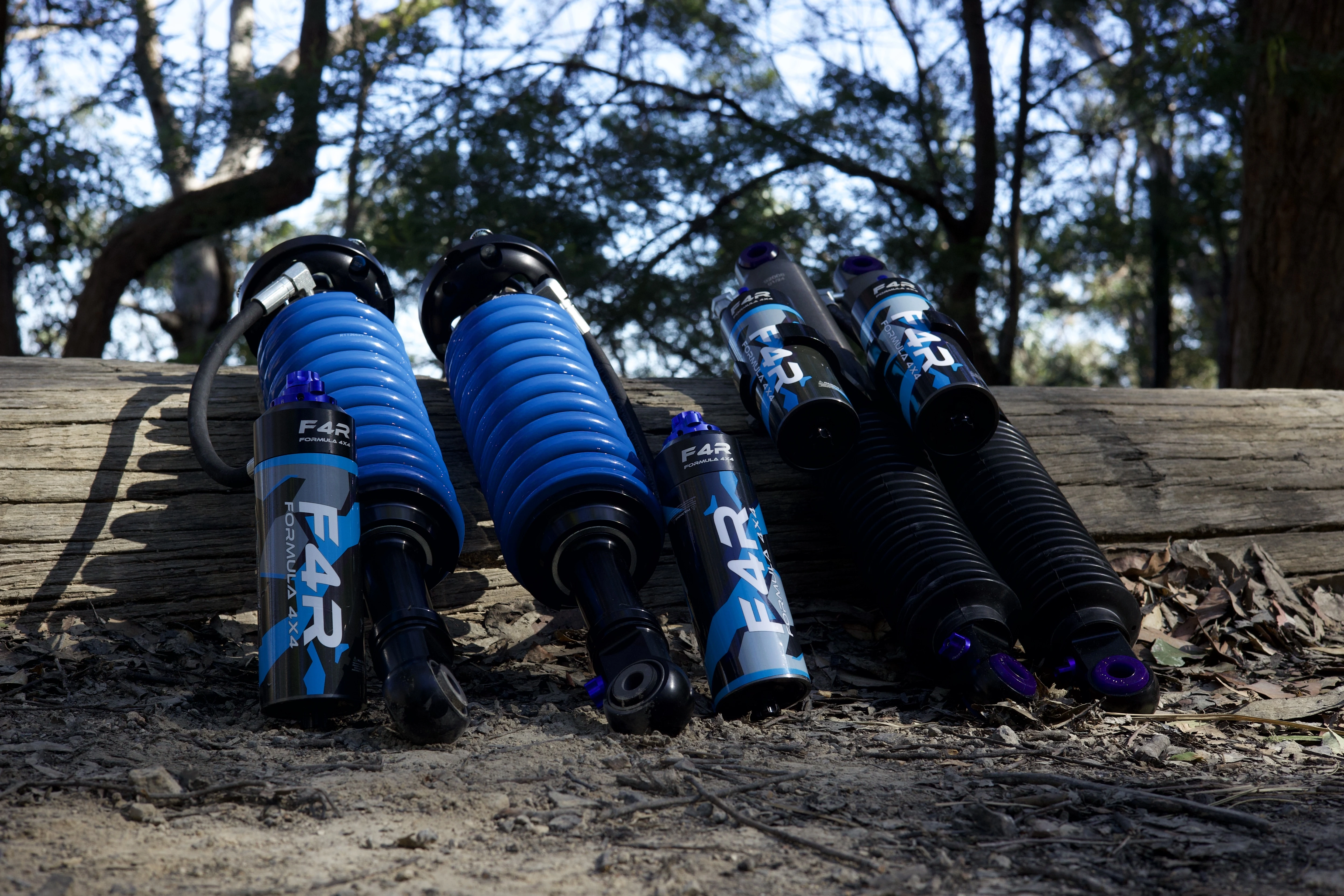
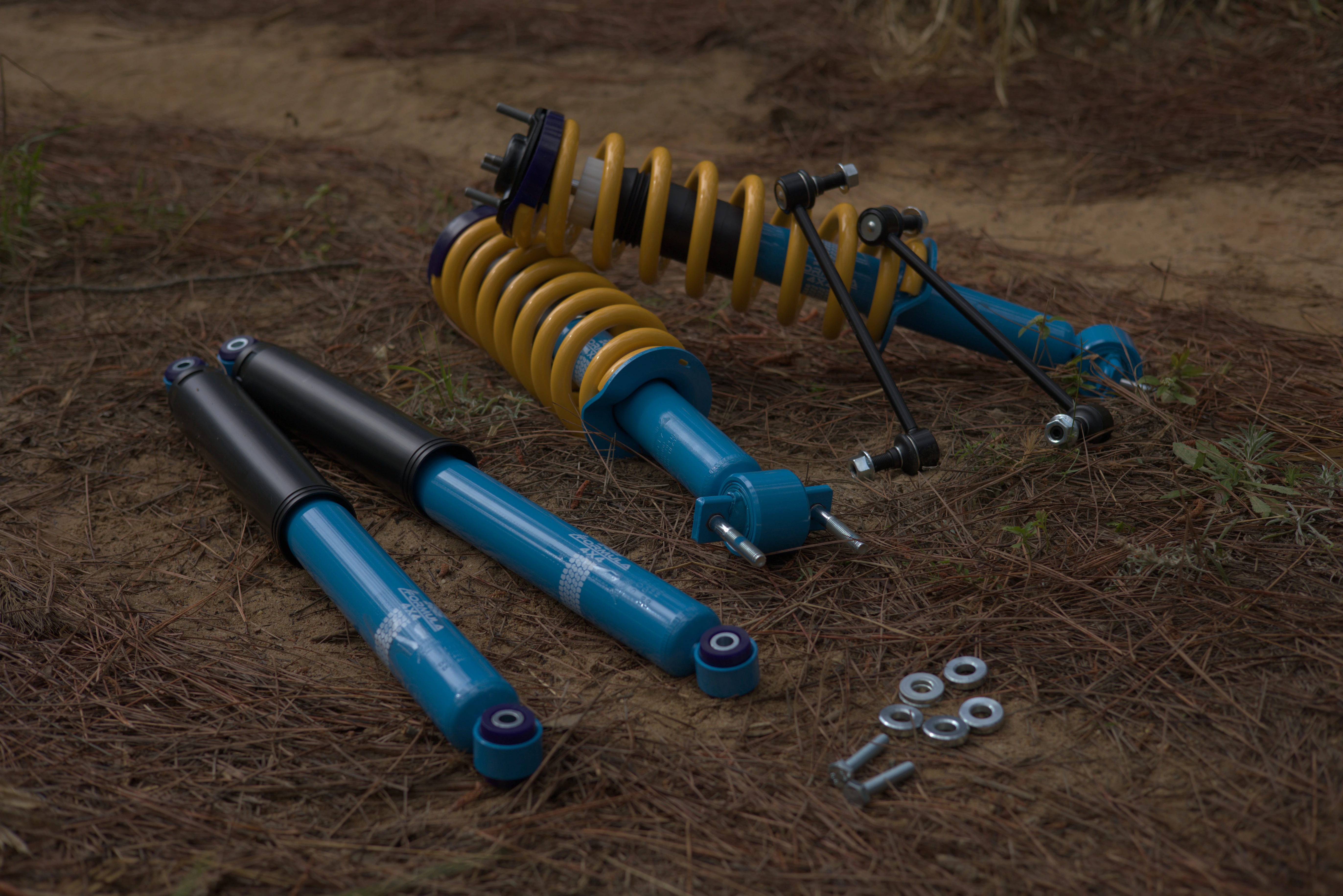
A lift kit is matched to the loads you actually carry, with springs and shocks engineered to hold ride height under weight rather than collapse under it. The result is a vehicle that drives the same whether the tray is empty or full, with steering, braking, and headlight aim staying where they were designed to be.
3. Real Off-Road Performance
Off-road traction comes down to whether all four tyres can stay in contact with the ground, and the moment a wheel lifts into the air that corner stops doing useful work, leaving the vehicle to spin, slip, or be coaxed forward with momentum and luck. Stock suspension simply doesn’t have the travel to keep four wheels planted across uneven ground.
A lift kit gives the suspension room to actually move, letting the wheels extend further into hollows and compress further over obstacles, which is what keeps rubber on the ground when the terrain shifts beneath you. That extra articulation is the difference between a vehicle that flows over rough ground and one that fights it.
You feel it on rocky climbs, in soft sand, on corrugated backroads, and on steep side angles. The vehicle stays composed where a stock setup would be scrambling for grip, and you spend your attention on the track ahead instead of the chassis underneath you.
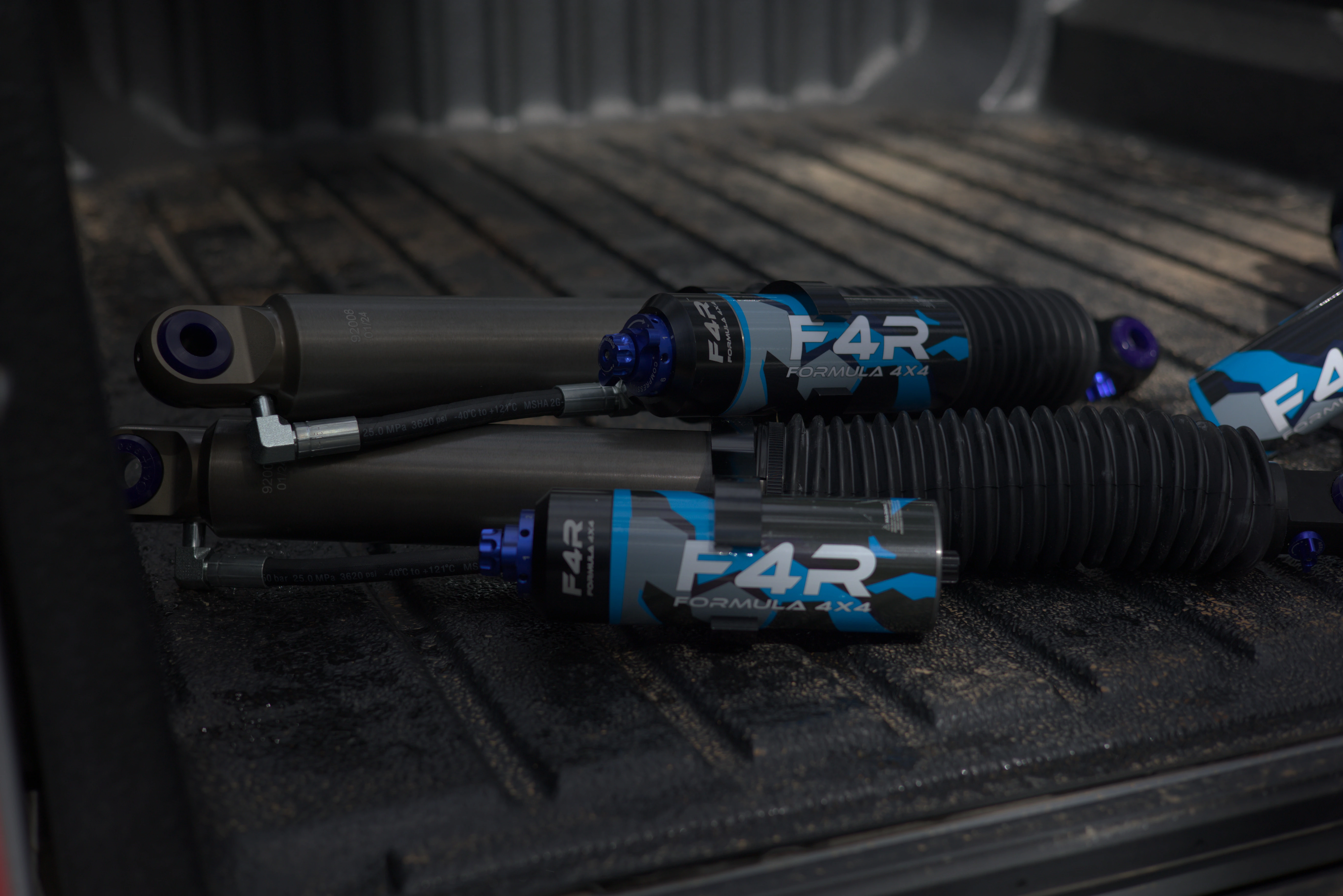
4. Suspension That Lasts Longer
Factory suspension is built to a budget, designed around a vehicle that lives on smooth roads with light loads, so the shocks, springs, and bushings are specified for that scenario and not much more. Add corrugations, a tray full of gear, and the heat of a long tow, and those components start aging fast.
It’s why so many owners end up replacing tired shocks, sagging springs, and worn bushings well before the rest of the vehicle is anywhere near done. Two or three rounds of factory-grade replacements over the life of the vehicle isn’t unusual, and the cost adds up quickly.
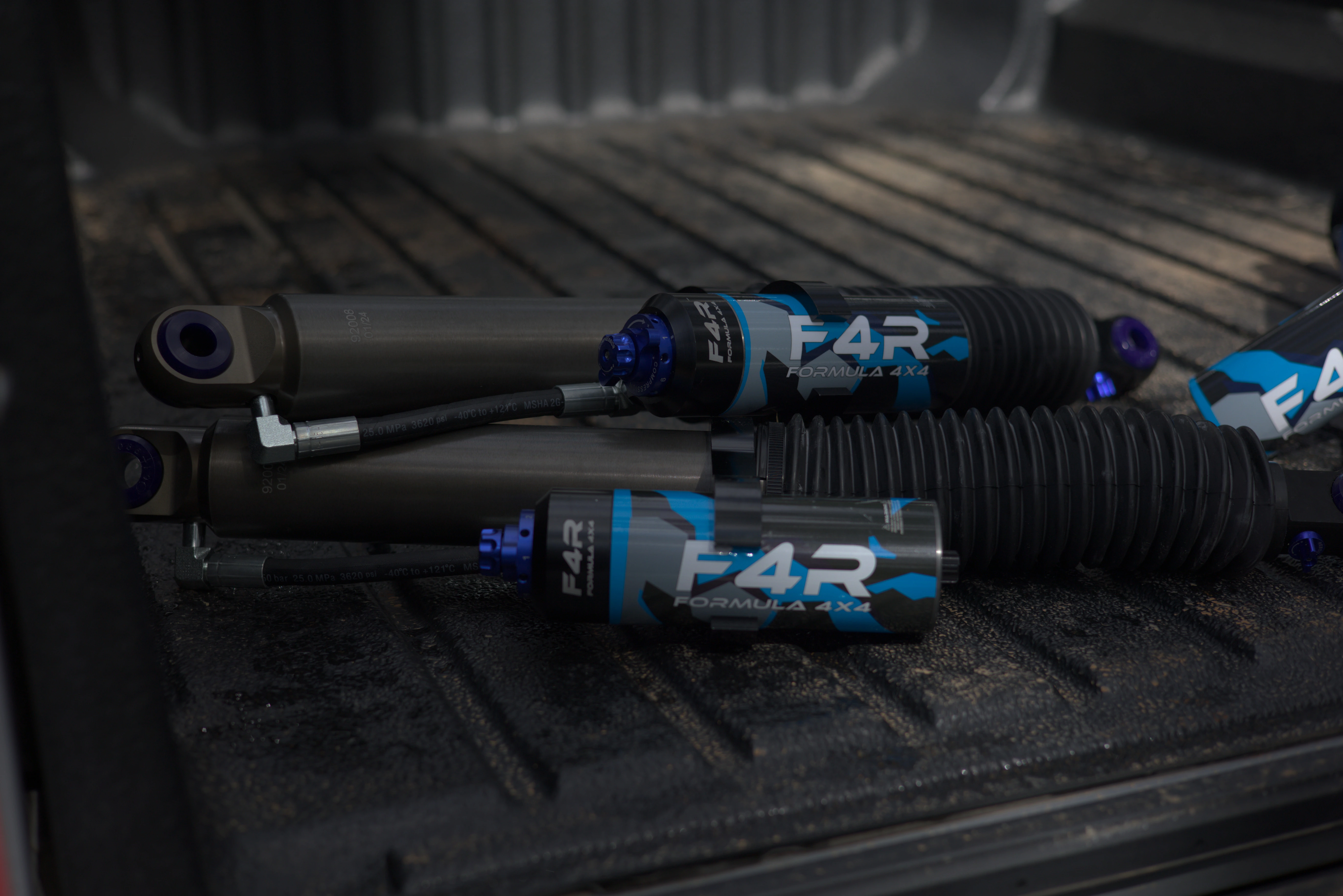
A quality lift kit is engineered for the punishment Australian conditions actually deliver, with components matched to share the load rather than fight it. Formula 4x4 backs ours with a 5-year, unlimited kilometre warranty, which is a fair signal of how long these systems are built to last. Buy once, set up properly, and the whole suspension holds its performance well past the point a factory setup would have given up.
5. A Stance Built for Work and Play
Vehicle dynamics depend on weight being distributed the way the engineers planned. The moment a 4x4 starts sitting nose-up, leaning under a bull bar, or dropping behind a loaded canopy, that distribution is gone. The vehicle handles less predictably, wears unevenly, and stops feeling like the one you bought.
A lift kit restores that balance by raising and levelling the vehicle across all four corners, bringing ride height back to where it should be after you’ve added bull bars, drawers, canopies, long range tanks, or any of the other gear that turns a stock 4x4 into a touring rig.
With weight sitting where it’s supposed to, the vehicle corners more evenly, brakes more predictably, and stops fighting itself under load. You get the obvious benefit of a tougher, more purposeful look, and the less obvious benefit of a 4x4 that genuinely drives like one.
The Takeaway
Stock suspension was built for a 4x4 sitting on a showroom floor, not the one you actually drive. A properly matched lift kit closes the gap between the two, and it's the difference between a vehicle that constantly feels stretched beyond its limits and one that performs the way a serious 4x4 should, year after year.
Lift Kit FAQs
Got questions about 4x4 lift kits? Here we answer the most commonly asked queries.