





4x4 Lift Kit & Suspension Installation
Formula 4x4 is fitted by a national network of certified installers, with 16 specialist Fulcrum Suspensions workshops along the east coast handling the more demanding builds. Wherever you are, there's a trained installer ready to fit your lift kit properly the first time.
Why professional installation matters
A 4x4 lift kit changes how your vehicle behaves on every surface, from sealed road to corrugations to technical terrain. Whether the lift performs the way it was designed to comes down to how it's installed.
When a suspension upgrade isn't fitted correctly, you see it in the handling, the tyre wear, the component life, and the safety of the vehicle. Ride height sits wrong. alignment drifts out, bushes wear early and dampers never quite reach their design intent. On a vehicle carrying touring weight or pulling a van behind it, those small compromises add up fast.
Good installation also protects the things that sit behind the performance. Your warranty, your GVM compliance, and your insurance position if something goes wrong. A properly fitted, properly documented install by a trained workshop keeps all of that intact.
The right workshop doesn't just bolt parts on, they look the vehicle over before they start, check every component against the build, fit it to spec, complete a full alignment, and road-test the result. That process is what separates a good install from a problem you'll be chasing for years.
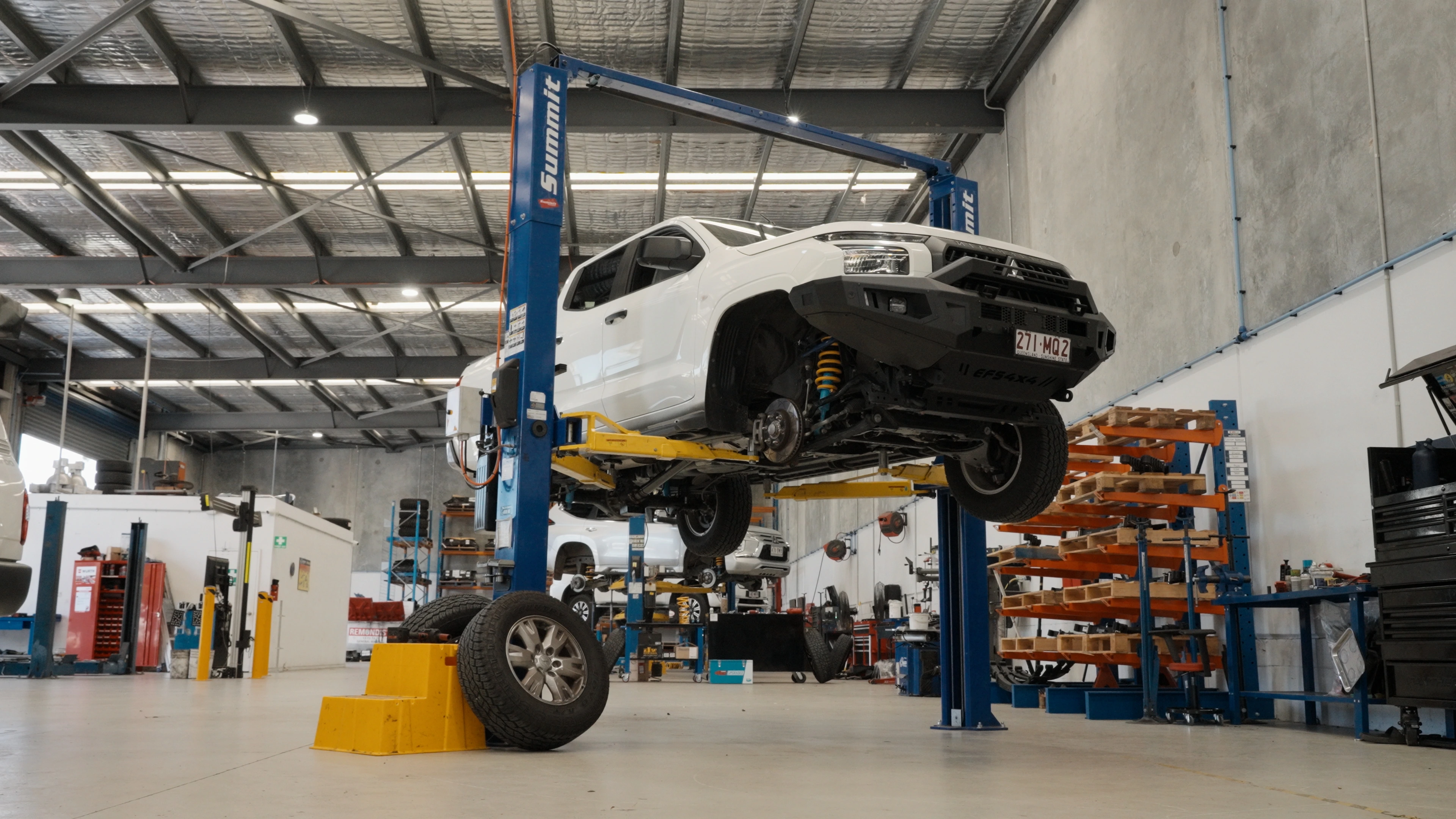
What to look for in a 4x4 suspension workshop
Plenty of workshops will fit suspension. Not all of them are set up to do it well. Before you book, it's worth knowing what actually separates a quality installer from a general mechanical shop.
Specialisation: A workshop that focuses on suspension, rather than treating it as one job among many, builds deeper diagnostic knowledge and a sharper eye for the things that can go wrong. You can usually tell from the questions a technician asks before the job starts.
Equipment: Suspension work needs the right tools. Spring compressors rated for heavy-duty coils. Alignment rigs that can handle a raised vehicle. Hoists with the capacity for the job. Calibrated torque equipment. A workshop without the right gear ends up taking shortcuts.
Alignment on-site: A lift changes the geometry of the vehicle. Caster, camber, and toe all need correcting after the install. If a workshop can't do alignment in-house, or treats it as optional, the job is only half finished.
GVM and engineering knowledge: If your build involves a GVM upgrade, the workshop needs to understand the certification process, the paperwork, and how the suspension components fit into the broader engineering approval.
Warranty backing: A good installer stands behind their work and the products they fit. It's worth asking about workmanship warranty and how product warranty is handled if something needs attention down the track.
Post-install support: Suspension benefits from a check-up after the first few hundred kilometres. A workshop that includes a follow-up to retorque, recheck alignment, and address any settling is investing in the long-term result, not just the install day.
The Formula 4x4 installation network
Formula 4x4 is fitted through a national network of trained, certified workshops. The network is built so that wherever you are, whether that's a capital city, a regional centre, or further afield, there's an installer with the training and authorisation to fit Formula 4x4 systems correctly.
Every workshop in the network is trained on Formula 4x4 products specifically. That matters because suspension systems aren't generic. Fitment notes, torque specs, and setup procedures vary between platforms and kits, and a trained installer works to the spec the system was engineered for.
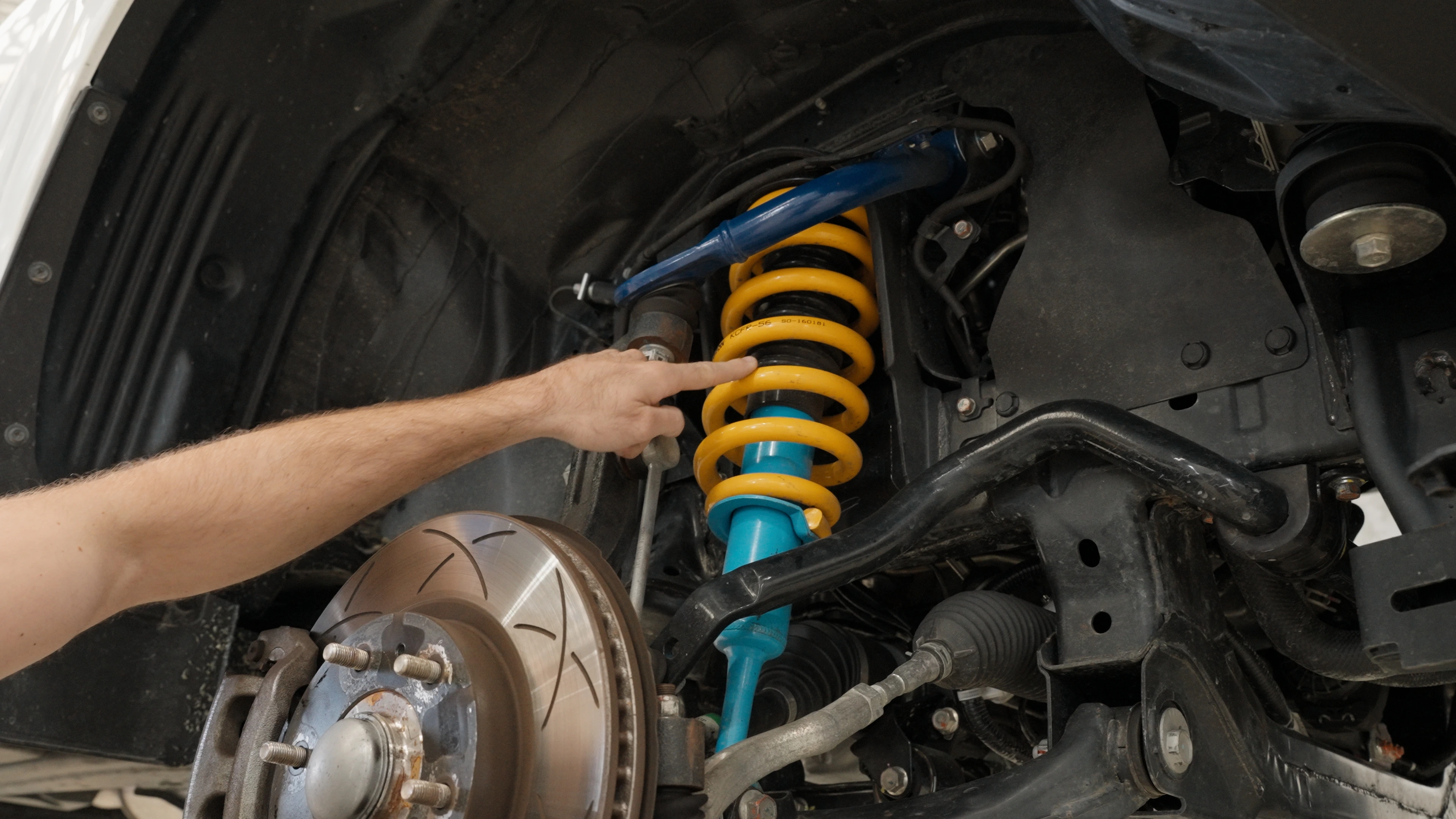
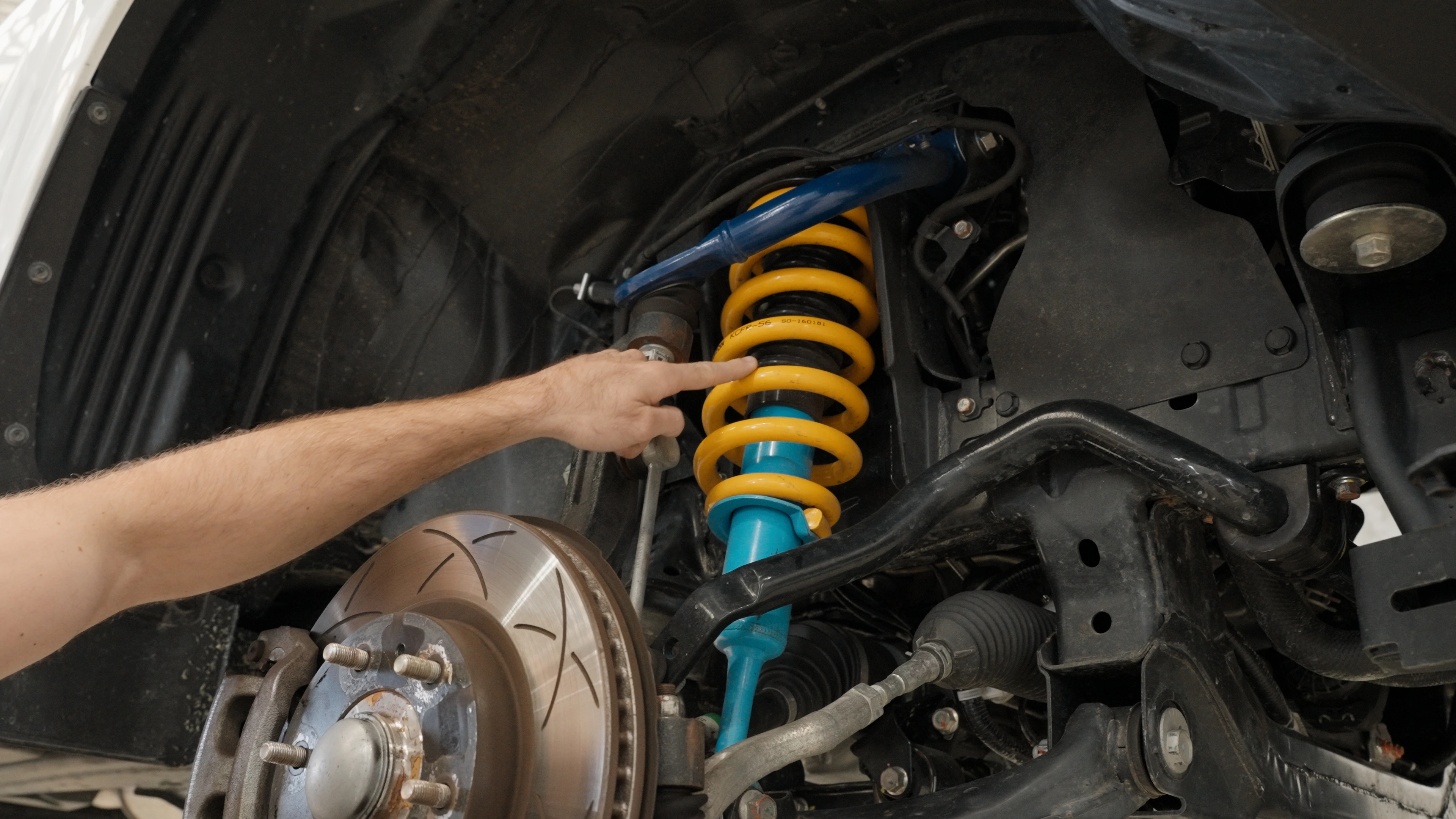
For straightforward installs on common platforms, any certified Formula 4x4 installer will do a quality job. For more complex builds, like heavy touring loads, GVM upgrades, or vehicles with existing modifications, the network includes a specialist tier of workshops with deeper capability.
Fulcrum Suspensions, the specialist workshops
Within the Formula 4x4 network, Fulcrum Suspensions is the specialist tier. With 16 workshops, Fulcrum is one of Australia's largest dedicated suspension workshop groups, and one of the few that focuses exclusively on suspension rather than offering it alongside general mechanical work.
Fulcrum technicians spend their entire working week on suspension. They've seen every fitment scenario, every problem vehicle, every awkward edge case, and they bring that experience to your install.
Trained on Formula 4x4 systems: Fulcrum technicians complete Formula 4x4 product training as part of their network certification. The training is ongoing, so when products evolve or new kits are released, the training programme updates with them.
Decades of suspension specialisation: Fulcrum has been operating as a dedicated suspension network for decades. The workshops have seen 4x4 suspension evolve across multiple generations of vehicles and build trends, from basic lift kits through to today's heavily equipped touring builds.
Consistent capability across 16 locations: Whether you visit a Fulcrum workshop in a capital city or a regional centre, the standards, the training, and the process are the same. That consistency is part of what makes the specialist tier reliable.
For builds that are complex, vehicles that are heavily loaded, or installs where the result needs to be right the first time, Fulcrum is the workshop tier built for the job.
Suspension specialists vs general 4WD workshops
Plenty of workshops will fit a lift kit, but the real question is what happens when the job isn't straightforward, and what gets missed when it is.
A general 4WD workshop usually offers suspension as one service among many. Accessory fitting, servicing, repairs, recovery gear, sometimes auto-electrical. Suspension is part of the mix, but it's not the focus. Technicians rotate across job types, which limits how deep their suspension-specific experience runs.
A specialist suspension workshop works on suspension every day. The diagnostic process is sharper because the technicians have seen the same problems many times over. Fitment is faster and more consistent because the workflow is built around it. When something unusual comes up, like an unexpected interference, a mismatched component, or a vehicle that's been modified before, the specialist has a deeper reference library to draw on.
The differences show up most clearly in three areas:
Diagnostic depth: A specialist will pick up pre-existing issues a general workshop might miss. Worn bushes, tired dampers on the other axle, alignment problems that pre-date the install. Catching those before the new components go on is the difference between a clean result and a comeback.
Fitment precision: Torque, sequence, how components sit together. The small details affect long-term performance. A specialist who's fitted the same kit hundreds of times gets those details right without thinking about it.
Post-install alignment and tuning: A general workshop might sub-contract alignment or treat it as a separate booking. A specialist does the alignment as part of the install and uses it as the final quality check on the work.
For a basic install on a common vehicle, a good general workshop will deliver a solid result. For anything more demanding, the specialist tier is where the work holds up over time.
What a Fulcrum installation includes
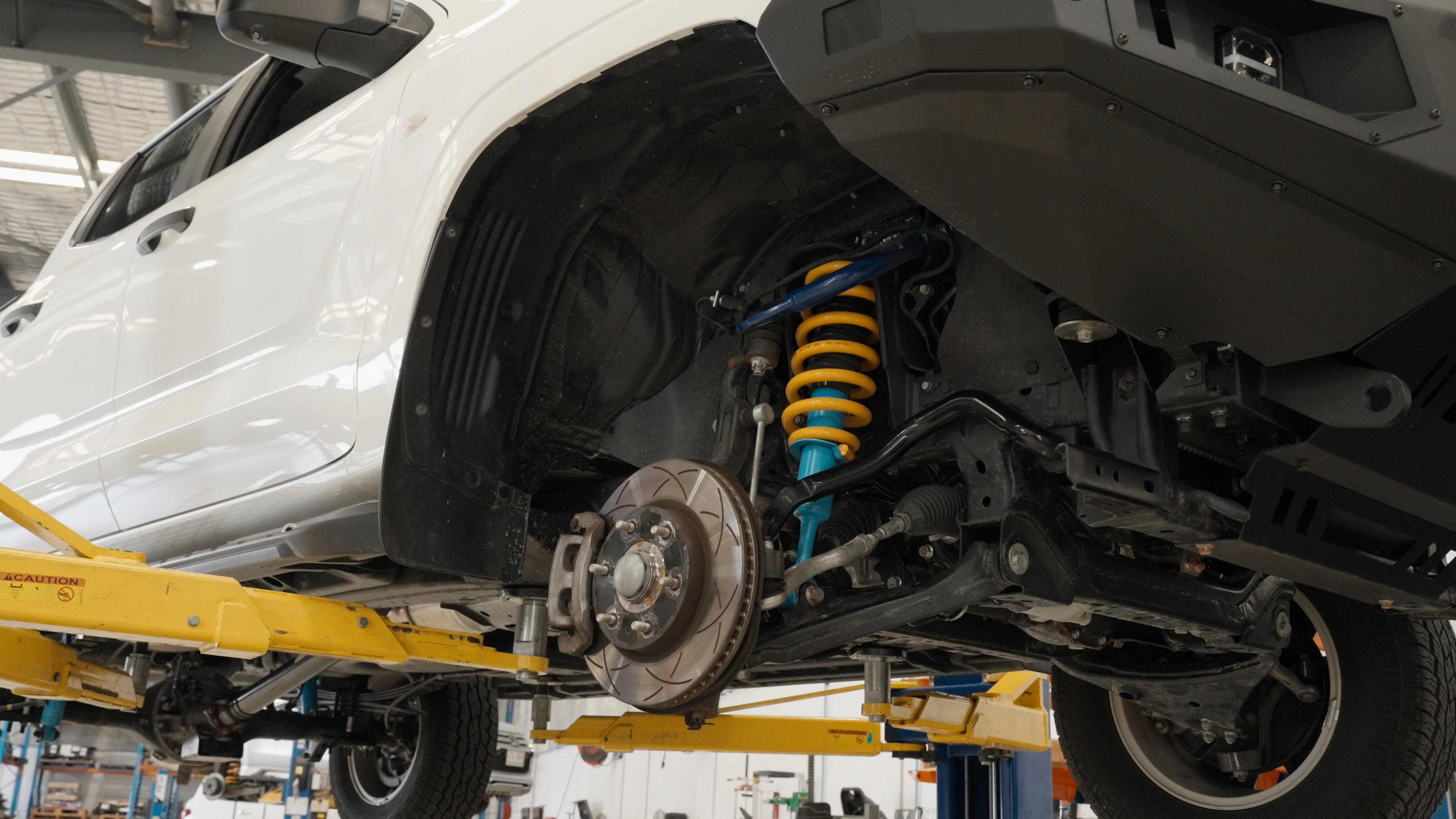
Every Fulcrum installation follows the same process, regardless of which of the 16 workshops you visit.
Pre-install inspection: Before any components come off, the technician looks the vehicle over. They check existing suspension condition, identify pre-existing wear, confirm the build matches the vehicle, and flag anything that needs sorting alongside the install.
Component verification: Every part is checked against the build sheet before fitment begins. That catches supply errors, missing components, or mismatches before they become a problem mid-install.
Professional fitment: Components are fitted to Formula 4x4 specification, with the correct torque, sequence, and setup procedure for the kit. The work is done on properly equipped hoists by trained technicians.
Post-install alignment: Caster, camber, and toe are corrected after the install on Fulcrum's in-house alignment equipment. Alignment isn't an add-on. It's part of the installation.
Road test: Every install is road-tested before handover, to confirm ride height and handling, and to make sure nothing has shifted or settled unexpectedly in the first few kilometres.
Handover and care guidance: The workshop walks you through what's been done, what to expect over the first few weeks of driving, and when to come back for a post-install check.
Vehicles and applications we install on
The Formula 4x4 network installs across the full range of 4x4 platforms on Australian roads. Dual-cab utes, 4WD wagons, tray-back work vehicles, and dedicated touring rigs.
Touring setups: Vehicles built for extended trips, carrying camping gear, water, fuel, and recovery equipment over long distances. These builds need suspension that handles sustained load without giving up ride or control.
Towing applications: Vehicles set up to tow caravans, camper trailers, boats, or work trailers. Towing changes the load profile, and the suspension has to maintain stability and ride height under tongue weight.
Daily drivers with capability: Vehicles that need to handle the daily commute, weekend trips, occasional towing, or off-road use without being purpose-built tourers.
Remote-travel builds. Heavily equipped vehicles built for self-sufficient travel into remote country, where reliability and load-carrying capacity matter more than anything else.
Whatever the vehicle and whatever the application, the network is set up to match the right install approach to the build. These are some of our most popular makes and models:
Coverage across Australia
The Formula 4x4 installation network covers every part of Australia. Wherever you are, capital city, regional centre, or further afield, there's a certified installer within reach.
The specialist Fulcrum Suspensions tier is concentrated along the east coast, where the 16 workshops are spread across major metropolitan and regional areas. For drivers based on the east coast, a Fulcrum specialist workshop is usually within easy reach. For drivers further afield, the broader Formula 4x4 network keeps certified installation available wherever you are, and for builds that warrant the specialist tier, many Fulcrum workshops accommodate customers travelling interstate for the work.
Book your installation
Ready to fit your Formula 4x4 lift kit or suspension upgrade? There’s two options for a professional install.
Book through the Formula 4x4 network: Find your nearest certified installer and book directly. Ideal for straightforward installs on common platforms, with the convenience of a workshop close to home.
Book with a Fulcrum specialist workshop: For complex builds, GVM-upgraded vehicles, heavy touring setups, or any install where you want the specialist tier handling the work, book directly with one of the 16 Fulcrum Suspensions workshops.
Either way, you're working with a workshop trained on Formula 4x4 systems and standing behind the install.
4x4 Suspension Installation FAQs
Looking for more information about 4x4 suspension installation? Below we answer the most commonly asked questions.
Where's the best place to get 4x4 suspension installed in Australia?
The best place is a workshop that specialises in suspension rather than treating it as one job among many. Specialist workshops have technicians who work on suspension every day, the right equipment for the job, and in-house alignment to finish the install properly. In Australia, Fulcrum Suspensions is one of the largest dedicated suspension workshop networks, with 16 east coast locations handling Formula 4x4 installs at the specialist tier. For drivers outside the east coast, the broader Formula 4x4 installer network keeps trained, certified installation accessible nationwide.
What's the difference between a specialist suspension workshop and a general 4WD shop?
A general 4WD shop offers suspension as one service among many, alongside accessory fitting, servicing, repairs, and recovery gear. A specialist suspension workshop works on suspension exclusively. The difference shows up in three places: the depth of the diagnostic work before the install, the precision of the fitment itself, and how the job is finished. A specialist picks up pre-existing issues a general workshop might miss, gets the small details right by default, and completes alignment in-house as part of the install.
Can any workshop install a Formula 4x4 lift kit?
Formula 4x4 lift kits should be installed by a certified Formula 4x4 installer. Suspension systems aren't generic, and fitment notes, torque specs, and setup procedures vary between platforms and kits. A certified installer is trained on the products and works to the spec the system was engineered for, which protects the install quality, your warranty, and your insurance position.
How long does a 4x4 lift kit installation take?
A standard install usually takes most of a day at a properly equipped workshop. More complex builds, like GVM upgrades, vehicles with existing modifications, or installs that include additional components, can take longer. A specialist workshop will give you a realistic timeframe up front based on the build and the vehicle, and will factor in pre-install inspection, fitment, post-install alignment, and a road test before handover.
Do I need a wheel alignment after a lift kit installation?
Yes. A lift changes the geometry of the vehicle, and caster, camber, and toe all need correcting after the install. Skipping the alignment leads to uneven tyre wear, compromised handling, and a vehicle that doesn't drive the way it should. A quality workshop completes alignment in-house as part of the install, not as an optional add-on or a separate booking.
Will a lift kit affect my vehicle's warranty?
A correctly fitted lift kit, installed by a trained workshop with the right documentation, generally protects your warranty position. Problems usually come from poor installation, undocumented work, or non-compliant components. Working with a certified Formula 4x4 installer keeps the install on the right side of warranty and compliance requirements.
Where are Fulcrum Suspensions workshops located?
Fulcrum has 16 workshops along Australia's east coast, spread across major metropolitan and regional areas. For drivers based on the east coast, a Fulcrum workshop is usually within easy reach. For drivers further afield, the broader Formula 4x4 installer network covers the rest of Australia, and many Fulcrum workshops accommodate customers travelling interstate for builds that warrant the specialist tier.
Should I book a specialist workshop or a general installer?
It depends on the build. For straightforward installs on common platforms, any certified Formula 4x4 installer will deliver a quality result, and the convenience of a workshop close to home matters. For complex builds, GVM-upgraded vehicles, heavy touring setups, or any install where the result needs to be right the first time, the specialist tier is worth the trip. The 16 Fulcrum Suspensions workshops are built for that kind of work.
What happens during a Formula 4x4 installation?
A proper install runs through six steps. The technician inspects the vehicle before any components come off, checks every part against the build sheet, fits the components to spec on properly equipped hoists, completes a full alignment in-house, road-tests the vehicle to confirm everything is sitting right, and walks you through what's been done at handover. A post-install check after the first few hundred kilometres rounds out the process.
How do I book an installation?
Two paths. For straightforward installs on common platforms, find your nearest certified Formula 4x4 installer and book directly. For complex builds, GVM-upgraded vehicles, heavy touring setups, or any install where you want the specialist tier handling the work, book with one of the 16 Fulcrum Suspensions workshops. Either way, you're working with a workshop trained on Formula 4x4 systems.